Immune Checkpoint Inhibitors Block Checkpoint Proteins from Binding with Their Partner Proteins
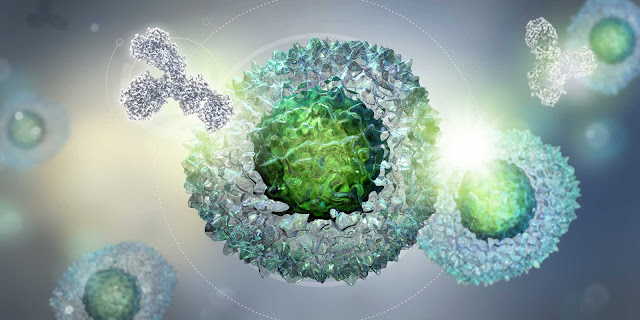
Cancer immunotherapies often use combinations of drugs like immune checkpoint inhibitors or disease-modifying drugs. One such drug acts directly against a protein known as CTLA-4, which is a part of the T cells that are responsible for immunity against diseases like cancer. According to Foundation for Women’s Cancer, around 5,170 new cases of vaginal cancer are diagnosed each year in the U.S. Other immune anti-inhibitors act directly against another protein known as PD-1. Together, these two proteins destroy cancer cells and prevent their growth. Examples of checkpoint inhibitors include pembrolizumab (Keytruda), ipilimumab (Yervoy), nivolumab (Opdivo), and atezolizumab (Tecentriq). Immune checkpoint inhibitors have now been shown to be very effective in clinical trials. These drugs, together with the cancer drugs already used in cancer treatment, have been found to be highly effective in blocking the biological process of cancer. The cancers, when they first start...