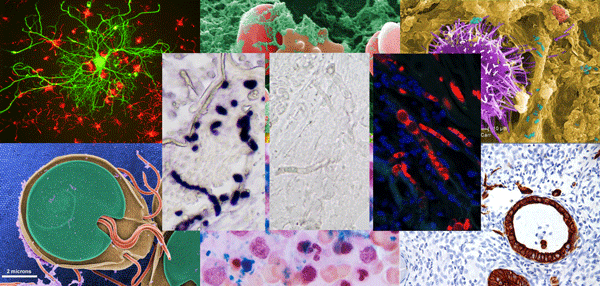
In-Situ Hybridization; a Lab Procedure that Helps Locate Position of Specific DNA/RNA Sequences

In-Situ Hybridization (ISH) is a laboratory technique used to label complementary DNA, RNA, or modified nucleic acids strands. ISH helps localize specific DNA or RNA sequences in a small cross-section of tissues or an entire tissue. There are two types of in-situ hybridization, such as chromogenic in-situ hybridization (CISH) and fluorescence in situ hybridization (FISH), which are used to identify the position of genes. FISH is a laboratory-based test that can reveal the genetic makeup of cancer. Fluorescence in-situ hybridization test can detect genetic abnormalities associated with cancer, and thus, it is useful for diagnosing some types of the disease. Thus, with the rising incidence of cancer worldwide, the demand for in-situ hybridization is also increasing at a rapid pace. Cancer is one of the leading causes of morbidity and mortality across the globe. For example, according to the American Cancer Society, in 2021, there will be an estimated 1.9 million new ...