Posts

Showing posts with the label Bulk Chemicals

Natural Zeolites Are Naturally-Occurring Minerals with High Alumina-Silicate Content and Are Widely Used In the Form of Adsorbents

Image
Natural Zeolites       Natural zeolites are a group of minerals that have many uses and are found in large deposits of tuffaceous sedimentary rocks in the western U.S. and in other countries. Their surface and structural properties make them ideal for a variety of applications, including filtration and industrial processing.   Generally, natural zeolites are not phase-pure but contaminated by other minerals. This means that they often contain other zeolites and other materials that prevent their effective use in adsorption. This results in poor performance in many commercial applications. However, there are ways to increase the purity of natural zeolites .   Natural zeolites have been used in construction since Roman times. Some of the applications for zeolites include a hydroponic substrate for growing plants on space missions , as well as wound healing. With their unique properties, natural zeolites are becoming full-fledged minerals, with the potential...

Camphor Is Becoming a Prominent Chemical Ingredient in Many Natural Products

Image
Camphor Market     Camphor, with the chemical formula C10H16O, is a terpenoid. It is a combustible, waxy, translucent material with a strong odor. It can be created both naturally and artificially. Camphor is found naturally in the wood of camphor Laurel (other Laurel trees) in East Asian and Southeast Asian evergreen forests. The oil of turpentine is used to make synthetic camphor. Camphor is also synthesized biochemically from geranial pyrophosphate, which is then hydrolyzed to generate borneol. It has antibacterial, anti-inflammatory, and antifungal qualities that allow it to be employed in a wide range of applications. It is available in powder, pill, and oil forms.   Camphor is classified into three grades: pharmaceutical grade, food-grade, and industrial grade. Camphor of pharmaceutical grade is used in cosmetics and personal care products. Food-grade camphor is used to give tastes and scents to many food items. Camphor is used in paints and lacquers, disinfectants...

Potash; a Mineral That Is Rich in Potassium, and Is Mainly Used To Produce Potassium Fertilizer

Image
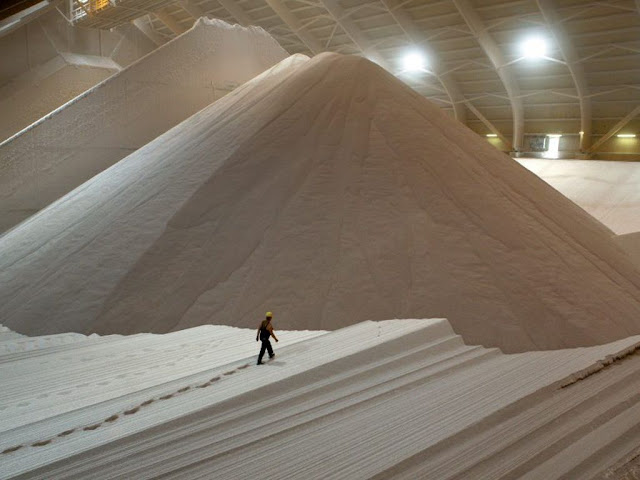
Potash Market     Potash is the common name given to a group of minerals and chemicals containing potassium, which is a basic nutrient for plants and an important ingredient in fertilizer. Potassium (K) is an essential element for plant growth and it is important to food crops. Potash helps plants use water and increase the production of fruits and vegetables. Moreover, potash helps protect the crops from weather adversity, such as drought, moisture, and insects. It is a key ingredient in most fertilizers that can be sprinkled directly around plants.   Potash fertilizers are the most valued and widely used fertilizers in the agriculture industry, worldwide. It helps increase disease resistance, drought tolerance, plumpness of grain and seed, and improve stem rigidity and cold hardiness. It is primarily used to increase crop yield, support plant growth, and enhance water preservation. Potash fertilizers also help absorb more minerals from the soil, strengthen the tree st...

Polyferric Sulfate Can Be Used In Industrial and Municipal Water Treatment Processes

Image
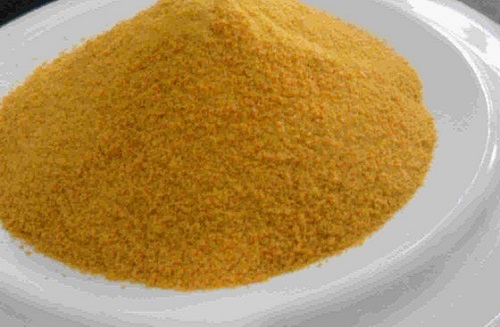
Polyferric Sulfate Market     Polyferric sulfate can be found as a light yellow powder (solid) or as a deep red liquid. It is acid-deficient because all of the free acids are consumed prior to iron polymerization. Polyferric sulfate is a high polymer inorganic flocculating agent. It has several advantageous properties, including a high rate of precipitation, a high density of alumina ustum, a high rate of pollution removal, and a low amount of sewage sludge, making it an important utility for water treatment.   Polyferric sulfate is commercially available for use in industrial and municipal water treatment processes. It is widely used for water clarification because, as an iron-based coagulant with only a trace amount of aluminum, it is highly effective as a coagulant. It is extremely useful for turbidity control, as well as phosphorus, color, and suspended solid removal. It is used on a large scale in sludge dewatering operations and in the removal of metals such as se...

There Are Numerous Opportunities in the Food and Beverage Industry Due To the Widespread Use of Agricultural Colorants

Image
  Agricultural Colorants Market   The widespread use of agricultural colorants in the food and beverage industries has created numerous opportunities for growth. Agricultural colorants are widely available in stores such as retail and department stores. Colorants are being produced and distributed on a larger scale due to their effectiveness as additives.   The online store facility provided by major agricultural colorant providers is expected to simplify and multiply agricultural colorant sales in the coming years. Commercialization of agricultural colorants is accelerating as a result of new factors implemented to broaden the scope and sales channels. Participants in the agricultural colorants are not only improving the product but also improving the process of approaching consumers.   Reading a food and beverage label's list of added chemicals, additives, or colorants can be perplexing. Not only is the list unusually large and lengthy, but it is also perplexing...

Saffron Is a Luxury Category Spice, Which Has a Lot of Health Benefits and Is Used In Several Food Items

Image
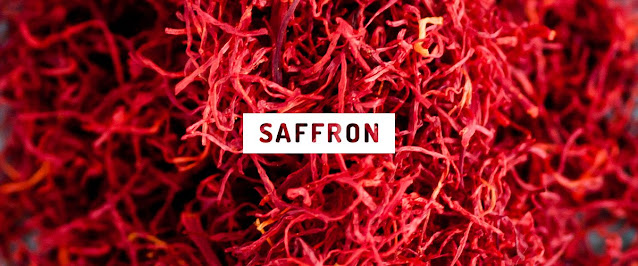
  Saffron Market   Saffron is used all over the world, including in regions such as the United States, and United Kingdom. Saffron is a spice that is extracted from the crocus sativus flower. It is bright crimson and the threads are collected and dried. Saffron is used for seasoning and coloring in cooking. The flower has long been the most expensive spice in the world by weight. It is grown throughout the world and has become a staple in many cuisines. However, the cost of saffron has caused some consumers to question its use as a commodity.   When used as a dietary supplement, saffron is not harmful in high doses. However, it is considered toxic in doses greater than five grams a day. It is highly resistant to heat, light, and oxidizing agents. As such, it must be kept in airtight containers. While saffron is not known to cure disease, it does improve sperm function in men. In regions such as the U.S., the increasing prevalence of restaurants has increased the usage of ...

Propane: A Naturally Occurring Gas Commonly Used For Cooking, Space Heating, and Other Uses

Image
Propane Market     Propane is a naturally occurring gas composed of three carbon atoms and eight hydrogen atoms. It is a by-product of natural gas processing and crude oil refining. In the U.S., more than 90 percent of propane is produced domestically, and the remainder is imported from other countries, including Canada. For many different applications, propane is the perfect fuel for vehicles and home appliances. It is also used to power generators, heaters, and forklifts. This makes it an ideal fuel for on-road vehicles.   The combustion process of propane starts with the addition of oxygen. Protons and electrons are at opposite ends of the atom and start to interact violently. The protons push on the electrons and the other way around. The result is a mixture of carbon dioxide and water. The gases are then released into the atmosphere. While the process may seem straightforward and innocuous, there are some risks associated with propane and its storage.   Propane...

Maltodextrin Is a Type of Carbohydrate Used In Variety of Products as a Thickener and As a Food Ingredient

Image
Maltodextrin     While it is used as a thickening agent, maltodextrin isn't a healthy ingredient. In fact, it's an artificial sweetener that can spike blood sugar levels. People with diabetes, insulin resistance, or other health conditions should avoid maltodextrin, as it can change the composition of their gut bacteria. This can increase the risk of many diseases, including IBD. Although maltodextrin does not contain any gluten, it is used in a variety of products as a thickener. Its high glycemic index makes it a potentially dangerous additive for people with diabetes. However, maltodextrin is a safe substance in small amounts, and a low-GI diet is beneficial for everyone.    Studies have shown that maltodextrin may affect the balance of bacteria in the digestive system. It has been linked to an increase in Salmonella in mice. It has also been linked to increasing E. coli in patients with auto-immune disorders. This means that high intakes of maltodextrin can caus...

Maltodextrin is a food additive used to enhance taste, appearance, and quality of food

Image
  Maltodextrin   Maltodextrin is created by partially hydrolyzing starch. It is used in food and beverages as a thickening or filling agent. Maltodextrin is derived from wheat or corn. Corn syrup is used in a variety of applications, including foods, breweries, and snacks. It is an important component of sports drinks, making them more appealing to athletes. It's also found in frozen foods.   Maltodextrin is a food additive that is used to improve the taste, quality, and appearance of food items. It is produced from starch using methods such as partial hydrolysis and is used to preserve food flavor. Increasing demand for bakery products, packaged food, and infant food, among others, has significantly increased production, which acts as a major driver for the guar-gum. The use of guar-gum in sugar-free products, as well as increased use of maltodextrin in the food and beverage industry, are also factors driving growth. Corn syrup is also used in pharmaceuticals, cosmetic...

Lutein has high antioxidant characteristics and can help minimize inflammation in human eyes

Image
  Lutein Market   Lutein is a chemical that can be obtained from many sources, including leafy green vegetables. Some people claim that dark green vegetables are especially high in lutein, but there's no hard evidence for this. Scientists have measured lutein levels in a variety of foods, and the results are mixed. But spinach and other dark green vegetables are generally good sources of a nutrient called zeaxanthin, and both of these nutrients are important for eye health. The best way to get adequate lutein is through a healthy diet, but it can also be obtained from nutritional supplements and fortified foods.   While lutein is best obtained through a healthy diet, nutritional supplements and fortified foods are also available. And since lutein is still in its embryonic stage, it should not be combined with other carotenoids. In addition, it can cause a build-up of cholesterol in the body. A high dose of lutein is not recommended for those with high blood cholesterol, ...

Tetra chloromethane is a colourless, sweet-smelling liquid that is also known as carbon tetrachloride

Image
  Carbon tetrachloride     Carbon tetrachloride is a colorless, sweet-smelling liquid that is also known as tetra chloromethane and carbon tet. Carbon tetrachloride is a critical chemical that was discovered by a French chemist in 1839 and has remained an important inorganic chemical ever since. It is produced commercially as a byproduct of methane chlorination. It is produced during the production of other chloromethane products, such as dichloromethane. Carbon tetrachloride molecules are made up of one carbon atom surrounded by four chloride atoms. It has a tetrahedral shape that is highly symmetrical. Tetra chloromethane is a non-polar compound that is chemically similar to methane gas. Carbon tetrachloride is an excellent solvent. Because it is non-polar, it easily dissolves other non-polar compounds such as oil, fat, and iodine.   What is carbon tetrachloride and what are its applications? Carbon tetrachloride is an odorless, colorless organic solvent. It is no...

There is a high demand for biocides in water treatment due to increased awareness about water quality and the implementation of new technology

Image
    Biocides are products or chemicals that are used to control pests or microorganisms. These are typically used to control and eliminate harmful and undesirable organisms such as mold, bacteria, algae, insects, and rodents. Disinfectants, wood preservatives, rodenticides, antifouling agents (on boats), in-can preservatives, and other products containing bactericide are used in homes and public places such as hospitals and industries. Biocide preservation applications dominate the market, consuming the most specialty bactericide in both volume and value terms. Despite regulatory pressures to reduce the number of biocides based on their concentrations in end products, blends of carefully selected biocidal active substances in optimal ratios, combined with new technological advancements, can provide improved preservation solutions without the need for cautionary labeling.   What are biocides and why are they used? Biocides are used to clean the skin of patients and heal...

One of the most widely used inorganic chemicals in the world, ammonia is used in both commercial and domestic applications.

Image
    Ammonia, also known as azane, is a nitrogen-hydrogen compound. It's a colorless gas that has a strong odor. Many downstream nitrogen-based products require ammonia as a raw material. It is used in foods and fertilizers as a nutritional supplement. It also has a variety of uses in the pharmaceutical and cleansing industries. Ammonia( NH3) is one of the most widely used inorganic chemicals in the world, used in both commercial and domestic applications.   Ammonia was first used as a refrigerant in France in the 1850s, and it was used for artificial ice production in the United States in the 1860s.   In the 1870s, the first patents for Ammonia( NH3) refrigeration machines were filed. Household grime or stains from animal fats or vegetable oils, such as cooking grease and wine stains, can also be broken down with ammonia. Ammonia is commonly used in glass cleaning solutions to help avoid streaking because it evaporates quickly.   What is the purpose of ammonia?...

The demand for aromatic isocyanates will also increase as polyurethane foam consumption increases

Image
     The major factors driving demand for isocyanates are increased awareness of the energy crisis, which leads to increased demand for energy-efficient structures, as well as incentives and government regulations to promote energy-efficient structures.   Isocyanates are organic compounds with the –N=C=O functional group. When two of these functional groups are attached to a compound, the group is referred to as a di-isocyanate. Aromatic and aliphatic are the two types of salt compounds. Aromatic is formed by directly attaching an NCO group to aromatic rings. Aromatic is primarily used in the production of polyurethane foam, which is created through the reaction of aromatic salt and polyols in the presence of a catalyst. Aromatic is commonly used to make flexible or rigid foam, elastomers, and protective coatings, among other things.   In nature, these compounds are highly reactive and toxic. Because of their toxicity, special precautions are taken in their han...